Delicious Jamaican Food Ideas for Your Next Family Dinner

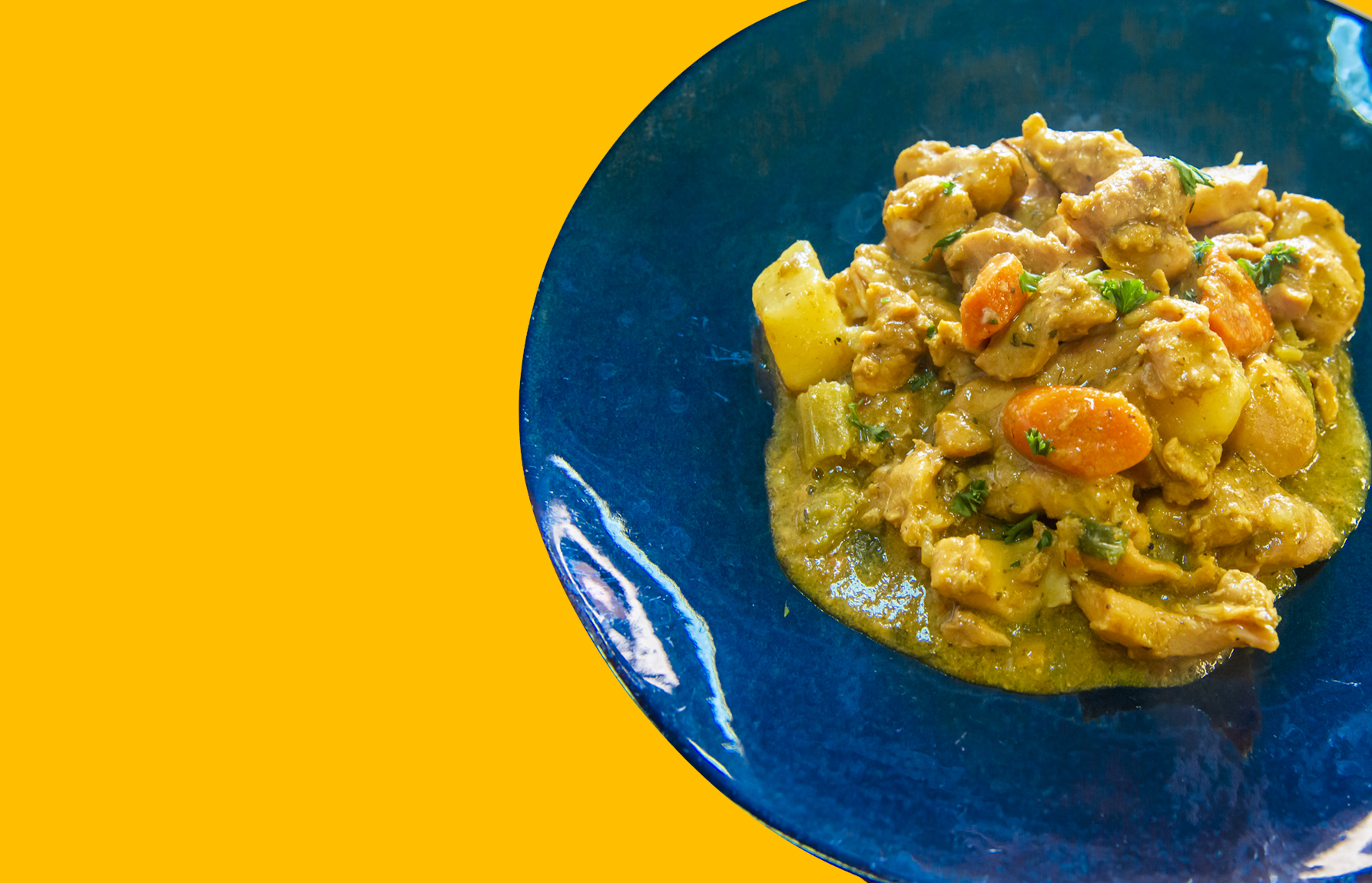
Few cuisines bring a family to the table as quickly as Jamaican food. The aromas do most of the work. Scallion, thyme, ginger, Scotch bonnet, allspice, garlic, onion, and a little smoke from the grill or oven can turn an ordinary evening into something that feels generous and festive. Jamaican cooking has range, too. It can be fiery or mild, deeply savory or bright and tangy, rustic enough for a casual Sunday meal, or polished enough for guests you want to impress.
That range matters when you are planning dinner for a family, because family meals rarely happen under ideal conditions. Someone wants chicken, someone else is asking for fish, one person loves heat, another avoids it, and there is always the practical question of time. The good news is that Jamaican home cooking is built for exactly this kind of real life. Many of its best dishes are designed to feed several people, stretch smartly with rice or ground provisions, and taste even better after the flavors settle.
If you want your next family dinner to feel abundant without becoming fussy, Jamaican food offers plenty of strong options. The key is understanding how these dishes work together on a table. A spicy main needs a cooling side. A rich braise benefits from a tart slaw or steamed greens. Rice is not an afterthought. It is part of the balance. Once you see that rhythm, building a memorable meal gets much easier.
What makes a Jamaican family dinner feel complete
A satisfying Jamaican dinner usually relies on contrast rather than excess. You want spice, but also comfort. You want deeply seasoned meat or fish, but also something fresh. You want starch that can soak up gravy, and a vegetable dish that keeps the whole plate from feeling heavy.
In many homes, the meal is built around one main dish and two or three supporting pieces, not a sprawling buffet. Rice and peas might carry the plate one night. Fried plantains may show up on another. A cabbage side can do a surprising amount of work, especially next to richer meats. Even a simple sliced tomato and cucumber salad can make a spicy chicken dinner feel more complete.
There is also a practical side to this cuisine that deserves attention. Jamaican food rewards advance prep. Brown stew tastes fuller when the seasoning has time to settle in. Jerk marinade becomes more integrated after a few hours, or overnight if you can manage it. Soups and stews hold well. For a family dinner, that means you can do the heavy work before everyone gets hungry and impatient.
Jerk chicken, still the most crowd-pleasing place to start
When people think of Jamaican food, jerk chicken usually comes first, and for good reason. Done well, it has a depth that goes far beyond heat. The allspice brings warmth, the thyme gives it a savory backbone, scallion and onion add sweetness, ginger sharpens the edges, and Scotch bonnet delivers the kind of heat that lingers without flattening the other flavors.
For family dinner, chicken thighs and drumsticks are usually the smartest choice. They stay juicy, they are forgiving in the oven, and they absorb marinade beautifully. Boneless chicken breast can work, but it dries out fast and rarely develops the same character. If you have access to a grill, use it. The slight char is part of the experience. If you are cooking indoors, a hot oven and a final minute or two under the broiler will get you close.
The common mistake is making jerk only about spiciness. A good family version should be assertive but not punishing. If children or heat-sensitive adults https://ameblo.jp/augustckne970/entry-12983736633.html are at the table, reduce the Scotch bonnet in the marinade and serve a pepper sauce on the side for those who want more fire. That way the dish still tastes like jerk, rather than simply seasoned baked chicken, but nobody feels excluded.
Serve it with rice and peas, and you already have a meal people will remember. Add fried ripe plantains and a cabbage side, and the dinner starts to feel generous in the best way.
Brown stew chicken for a richer, saucier meal
Brown stew chicken is one of the best answers to the question, “What should I make when I need a proper family dinner?” It is deeply flavorful, comforting, and easier to keep warm than grilled dishes. It also fills the kitchen with the kind of smell that makes people check the pot every ten minutes.
This dish starts with seasoned chicken, often browned first for color and flavor, then simmered with onions, peppers, garlic, thyme, tomato, and enough liquid to create a glossy gravy. The result should not be soupy. The sauce needs body, enough to cling to the rice without drowning it.
If you have ever cooked for a multigenerational table, this is one of the safest Jamaican food choices. It has bold seasoning, but it is not automatically fiery. You can keep the Scotch bonnet whole in the pot for aroma and gentle heat, then remove it before serving. That trick gives the stew character without making it harsh.
Brown stew chicken also scales well. You can make a small batch for four or a large pot for ten with very little extra stress. Leftovers are excellent the next day, especially tucked beside rice for lunch. In a busy household, that matters almost as much as flavor.
Curry goat when you want the meal to feel special
Some dishes signal occasion the moment they arrive at the table, and curry goat is one of them. It takes time, and there is no honest shortcut around that. Goat needs patient cooking to become tender, but that long simmer is exactly what creates the rich, deeply seasoned sauce people love.
Jamaican curry differs from Indian curry in both flavor and use. It often leans on a distinct curry powder blend, with allspice, thyme, garlic, scallion, and Scotch bonnet working around it. Potatoes are a common addition, not filler, but part of the dish’s texture and body. When cooked properly, the potatoes absorb the sauce and become almost as prized as the meat.
For a family dinner, curry goat makes sense when you have a weekend afternoon or when you are hosting relatives. It is not difficult, but it does require planning. If you can season the meat the night before, the flavor improves noticeably. I would also suggest making a little more than you think you need. People who claim they only want a small portion often go back for seconds once the pot is opened.
This is one of those meals where plain steamed rice can be just as successful as rice and peas. The curry has enough personality on its own. Add a simple cucumber salad or a lightly dressed slaw, and you will have the freshness needed to keep the plate balanced.
Escovitch fish for a sharper, brighter dinner
Not every family meal has to center on slow-cooked meat. Escovitch fish brings a different kind of satisfaction. It is lively, tart, spicy, and crisp in all the right places. Traditionally made with fried whole fish, often snapper, it is topped with a pickled mixture of onions, carrots, bell peppers, and Scotch bonnet. The acidity cuts through the richness of the fried fish and keeps the entire dish feeling bright.
For a weeknight family dinner, whole fish can be a hard sell if children are not used to bones. In that case, fillets are a practical adaptation, even if they do not deliver quite the same presence. The flavor profile still works beautifully. What matters most is the contrast between the crisp fish and the warm pickled topping.
Escovitch pairs especially well with bammy, festival, or simple rice. If you are serving people with different appetites, it is also useful because the plate does not feel too heavy. Fish dinners can satisfy without putting everyone immediately into a post-meal slump.
The one caution is timing. Fried fish loses its best texture if it sits too long. If you choose escovitch for family dinner, have the sides ready first so the fish can go to the table while still crisp.
Oxtail for the dinner that keeps people lingering at the table
Oxtail is not an everyday budget meal in most kitchens anymore, but when you want something deeply comforting and unmistakably celebratory, it is hard to beat. The long braise softens the meat until it nearly slips from the bone, and the gravy takes on a richness that only patient cooking can produce. Butter beans are often added toward the end, and they belong there. They soak up the sauce and bring a creamy contrast to the dark, savory meat.
This is one of the most rewarding Jamaican food dishes for a larger family gathering because it feels luxurious without being delicate. Nobody has to eat politely around it. It invites generous spoonfuls over rice, extra gravy, and long conversation.
It does require judgment. Oxtail can become greasy if not skimmed or handled carefully. It can also become too salty if heavily seasoned at the start and then reduced too aggressively. The best versions have concentration, not harshness. If you are making it for the first time, give yourself extra time and taste throughout the cooking process rather than treating the recipe as fixed.
When served with rice and peas and a vegetable side, oxtail turns an ordinary dinner into an event.
The supporting dishes that make the plate work
Main dishes often get the attention, but Jamaican dinners live or die by their side dishes. Rice and peas is the obvious star. Properly made, it is fragrant with thyme, scallion, and coconut milk, with beans that remain intact rather than mushy. It should taste good on its own, not merely function as filler beneath the meat.
Steamed cabbage is another essential. Cooked with carrots, onions, bell peppers, thyme, and a little black pepper, it adds sweetness and freshness without demanding attention. It is especially valuable beside rich meats like oxtail or curry goat. The same goes for callaloo, which offers a more earthy, mineral depth and works beautifully with fish or saltfish-based dishes.
Fried plantains are worth making whenever ripe plantains are available. Their caramelized sweetness cools spicy food and rounds out the plate. They are also one of the easiest ways to make dinner feel welcoming to children or to guests who are less familiar with Jamaican flavors.
If you want a quick planning reference, these combinations rarely miss:
- Jerk chicken with rice and peas, steamed cabbage, and ripe plantains
- Brown stew chicken with white rice and a simple cucumber salad
- Curry goat with steamed rice and lightly dressed slaw
- Escovitch fish with bammy and sautéed vegetables
- Oxtail with rice and peas and buttered cabbage
Jamaican patties can anchor a lighter family meal
Patties are often treated as snacks, and they certainly can be, but they also work surprisingly well for a more relaxed dinner. A tray of beef, chicken, or vegetable patties with coco bread, salad, and soup can make sense on a busy evening when you still want the family meal to feel intentional.
Beef patties with their turmeric-tinted pastry and savory filling are the classic choice, but homemade or good bakery-style patties reward variety. Curried vegetable filling, jerk chicken filling, or even ackee-based vegetarian versions can keep the meal interesting, especially if several generations are eating together and preferences vary.
What makes this style of dinner work is the addition of one or two substantial sides. A thick pumpkin soup, a crisp slaw, or a plate of roasted sweet potatoes can turn patties from a grab-and-go item into a complete meal. It is less formal than a plated stew dinner, but no less satisfying if done well.
Ackee and saltfish, especially for a brunch-for-dinner approach
Ackee and saltfish is Jamaica’s national dish, and while many people associate it with breakfast or brunch, it makes an excellent family dinner when you want something savory but not too heavy. The soft, buttery ackee and flaky saltfish, cooked with tomato, onion, scallion, thyme, and pepper, create a dish with lovely richness and texture.
For dinner, it works best when paired thoughtfully. Fried dumplings, boiled green bananas, roasted breadfruit, or even plain rice can carry it well. If your family enjoys breakfast-for-dinner meals but wants something more distinctive than eggs and toast, this is a great direction to take.
There is one practical point worth noting. Saltfish must be prepared properly so the final dish is seasoned but not overly salty. That means soaking and simmering as needed before cooking. It is not complicated, but it is not something to rush. Done carelessly, the salt can overpower the delicate ackee.
Soups and one-pot meals for cooler evenings
Jamaican soups are far more substantial than many people expect. They are often full meals, not starters. Chicken foot soup, red peas soup, mannish water, and pumpkin soup all have a place, though some are more family-friendly than others depending on your household’s tastes.
Red peas soup is one of the easiest to serve at a family dinner. It is hearty, earthy, and filling, with red kidney beans, meat if desired, dumplings, ground provisions like yam or sweet potato, and a broth that thickens into something close to a stew. A bowl of it can stand on its own, especially with crusty bread or a side salad.
Pumpkin soup is another excellent option, particularly for mixed crowds. Its flavor is accessible, its color is inviting, and it can be made rich without being heavy. A little fresh thyme and black pepper can take it far. If you want to introduce more Jamaican food into your regular dinner rotation without diving straight into longer braises or whole fish, soup is an easy entry point.
A practical pantry for Jamaican dinners at home
You do not need a specialty store for every ingredient, but a few staples make Jamaican cooking much easier and much better. Keeping them around means you can build flavor quickly on a weeknight rather than improvising your way into something generic.
- Allspice, dried thyme, curry powder, and black pepper
- Scallions, garlic, onions, fresh ginger, and Scotch bonnet peppers
- Coconut milk, kidney beans, and good rice
- Browning sauce, soy sauce, and ketchup for certain marinades and stews
- Plantains, cabbage, and whatever root vegetables are available seasonally
Even with these basics, flexibility matters. Scotch bonnet brings a distinct fruitiness that is hard to replace exactly, but habanero can work in a pinch. Callaloo may not be easy to find everywhere, yet spinach can stand in for some dishes when needed. Traditional ingredients matter, but practicality matters too, especially if the goal is getting good food on the table consistently.
How to manage heat for a real family table
This is where many home cooks hesitate with Jamaican food. They worry that everything will be too spicy for half the table. In practice, the solution is simple. Build flavor into the dish, then control the heat level separately where possible.
Whole peppers can perfume stews without breaking open fully. Pepper sauces can be served at the table. Jerk marinade can be split, with a hotter portion reserved for those who want it. This is not watering down the cuisine. It is respecting the people you are feeding.
I have seen more family dinners fail because someone chased a restaurant-level heat profile than because a dish was too mild. You want people reaching for seconds, not for glasses of milk. The distinctive taste of Jamaican food comes from seasoning depth, herb structure, sweetness, smoke, acidity, and spice together. Heat is part of that picture, but it is not the whole frame.
Building a full dinner without exhausting yourself
The best Jamaican family dinners are usually planned around one labor-intensive element, not three. If the main dish is long-cooked, keep the sides straightforward. If you are frying fish to order, choose sides that can be finished early and held. If you are grilling jerk chicken outdoors, let the rice cooker and a simple vegetable dish do some of the support work.
One very effective pattern is to marinate or season the main dish the night before, cook the starch first on dinner day, then finish the vegetable side while the protein rests or simmers. That sequence reduces chaos. It also helps with flavor. Jamaican food often improves when it is not rushed.
Another good strategy is to make one dish that creates its own sauce. Brown stew chicken, curry goat, and oxtail all solve the question of moisture on the plate. Dry mains demand more from the sides and can make dinner feel less cohesive unless you are very intentional.
The small details guests remember
People may praise the jerk chicken or the oxtail, but they tend to remember the small touches. The plantains that were properly ripe, soft in the middle and caramelized at the edges. The rice that was fragrant instead of bland. The cabbage that still had a little bite. The hot sauce on the side for those who wanted it. The way the kitchen smelled before anyone even sat down.
That is one reason Jamaican food works so well for family dinners. It is expressive. It does not ask people to analyze it. It invites them in. The meals feel generous because they are generous, with seasoning, with texture, with warmth, and with the sense that real care went into the cooking.
If you are choosing where to start, go with the dish that matches your evening. Jerk chicken for a lively, familiar dinner. Brown stew chicken for comfort and ease. Curry goat or oxtail for a meal with occasion built into it. Escovitch fish when you want brightness and contrast. Ackee and saltfish when you want something deeply Jamaican that still feels homey and relaxed.
A strong family dinner does not need ten dishes or restaurant theatrics. It needs one excellent main, a couple of thoughtful sides, and seasoning that knows exactly what it is doing. Jamaican food delivers that with confidence. Once it becomes part of your regular dinner rotation, it tends to stay there.
Reggae Pot Jamaican Grill
2243 S Monaco St Pkwy #104
Denver, CO 80222
+1 720-410-2956
FAQ About jamaican food
What is the best Jamaican food to try in Denver?
The best choice depends on your tastes. Popular options include jerk chicken, curry goat, slow-cooked oxtail, and savory patties. Reggae Pot lists these dishes on its menu, with sides such as rice and peas and plantains. Ask the Denver team about current availability and spice levels.
Is Jamaican food very spicy in Denver?
Heat varies by dish and preparation. Jerk seasoning often includes scotch bonnet peppers alongside herbs and allspice, while other dishes may have gentler seasoning. Ask about the heat of the specific dish and any sauce before ordering.
What are some popular Jamaican snacks?
Jamaican patties are a popular snack made with flaky pastry and savory meat or vegetable fillings. Other options include fried dumplings and festival, a sweet fried dough often served with savory dishes. Availability varies, so check the current menu when ordering.