Bar With Private Room Planning Ideas for Intimate Celebrations
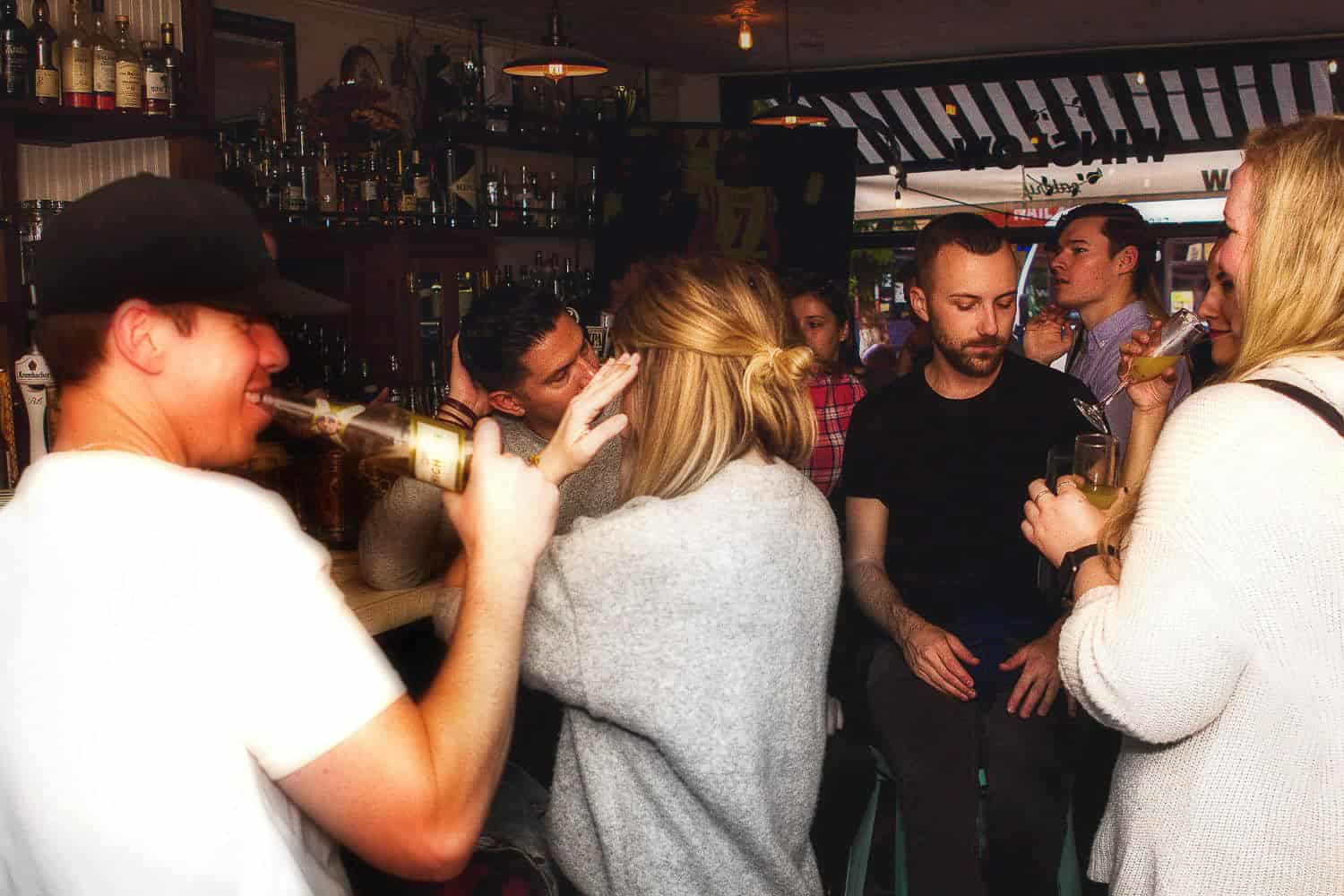
There is a certain kind of celebration that falls apart in a wide-open room. A milestone birthday with thirty close friends feels too exposed in the main dining area. A small engagement party loses its warmth when strangers drift past the cake table. A company dinner meant to reward a tight team can start to feel like just another reservation if there is no sense of occasion. That is where a Bar With Private Room earns its value.
Private event spaces inside bars occupy a useful middle ground. They are more relaxed than a banquet hall, more festive than a standard restaurant table, and usually more practical than hosting at home. Guests know how to settle in quickly. The drinks are handled. The atmosphere is already there. If the room is chosen well, the host can focus on the people rather than on ice buckets, playlist problems, and whether the bathroom has enough hand towels.
Planning an intimate celebration in this kind of setting sounds simple on paper, but the quality of the event often depends on details that people do not think to ask about until it is too late. The room may be technically private, but still bleed noise from the bar. The minimum spend may look manageable, then climb once premium spirits and service charges are added. The layout may be beautiful for cocktails and nearly impossible for a seated dinner. Small events are less forgiving than large ones in some ways. With twenty guests, every chair placement matters, every late plate is noticed, and every awkward gap in the evening feels bigger.
The good news is that intimate celebrations are also easier to shape with intention. You can tailor the pace, the menu, the music, and even the lighting more precisely than you could at a larger event. A private room in a bar gives you enough structure to keep things smooth, while still leaving room for personality.
Match the room to the reason for gathering
The first mistake many hosts make is choosing a venue based on photos alone. A velvet booth, warm lighting, and a polished back bar photograph beautifully, but aesthetics only carry an event so far. Start with the real purpose of the gathering.
A birthday dinner for twelve has very different needs from a retirement cocktail party for forty. A rehearsal drink gathering before a wedding needs easy arrivals and departures. A family anniversary often benefits from quieter acoustics and straightforward seating. A client appreciation evening may call for polished service and subtle branding opportunities. The room should support what the event is meant to feel like, not just how it looks online.
I have seen hosts book a high-energy space because it looked stylish, only to realize during the event that no one could hear the toast. I have also seen the reverse, a room that seemed understated during the site visit, but turned out to be ideal because guests relaxed immediately, conversations flowed, and the evening never felt forced. Mood matters, but function decides whether people actually enjoy themselves.
When you evaluate a Bar With Private Room, ask yourself a simple question: will this room help people connect the way I want them to? If the answer is yes, you are probably looking in the right direction.
Guest count is not just a headcount
Venues often advertise a room as holding twenty, thirty, or fifty guests, but capacity is not the same as comfort. There is a difference between how many people can physically fit and how many can enjoy the event without bumping elbows or waiting too long for a drink.
For intimate celebrations, the practical sweet spot usually lands below the room’s stated maximum. A private room that can hold forty standing may feel best with twenty-five if you want lounge seating, a gift table, and enough circulation space for servers. A room that seats twenty might work beautifully for fourteen guests with a shared dining format, but feel cramped if every place setting includes menus, wine glasses, floral arrangements, and favors.
You also need to count people the way the venue counts them. Some places include children in the total, some count vendors, and some do not. If a photographer, musician, or planner will be in the room, clarify whether they affect the capacity or the minimum spend. This sounds minor until you realize your carefully planned twenty-person dinner has quietly become a twenty-four-person operational challenge.
Space also changes with event format. Standing cocktail reception, mixed seating, full dinner, tasting event, and speech-heavy gathering all use the same square footage differently. During site visits, I always recommend picturing the room at three moments: guest arrival, peak service, and winding down. A room that feels perfect when empty can reveal bottlenecks once trays, coats, bags, and people are added.
Understand the true cost before you commit
Private rooms in bars are often sold one of two ways: a room fee, or a food and beverage minimum. Sometimes it is both. Neither is inherently better. The right option depends on your guest count, your drinking style, and how much control you want over the final bill.
A minimum spend can work well for groups that are genuinely planning to eat and drink at a healthy pace. It can feel efficient because your money goes toward the experience rather than just the space. But the catch is that hosts often underestimate what guests will consume, especially at shorter events or weekday gatherings. If your contract requires a $2,500 minimum and the group naturally lands at $2,050, you still owe the full amount in most cases.
Room fees offer cleaner math. You pay for the private space, then add food and drinks on top. This can be easier for quieter celebrations where consumption may vary. It also makes budget control more transparent. The trade-off is psychological as much as financial. Some hosts dislike paying for a room and then seeing a substantial food and beverage bill on top of it, even if the total ends up similar.
A few cost questions are worth asking early, because they shape the entire decision:
- Does the minimum spend include tax and service charge, or are those added after?
- Is there a different minimum for peak nights, holidays, or major local event dates?
- Are premium liquors, bottled wine, or passed canapés included toward the minimum?
- What happens if the final guest count drops close to the event date?
- Is there a fee for using your own cake, décor, or outside entertainment?
Those answers often reveal more than the base pricing itself. I have seen a seemingly affordable room become expensive once staffing charges, AV fees, and a cake-cutting fee were added. I have also seen premium-looking spaces become strong values because the package was straightforward and generous.
Layout shapes the energy of the evening
People tend to focus on menus first, but room layout drives behavior more than most hosts realize. A private room with fixed banquettes encourages lingering conversation. A room with scattered cocktail tables creates movement and shorter interactions. A single long dining table can feel elegant and cohesive, but it can also isolate guests at opposite ends if the event depends on broad group interaction.
This is especially important for intimate celebrations because there is nowhere to hide weak design. In a big event, guests can make their own micro-groups. In a small one, the room itself either helps or hinders social flow.
If you are planning a birthday where people know each other from different parts of your life, a mixed setup often works better than a rigid seated arrangement. Let people mingle on arrival, then transition to partial seating for food. If the event includes a short speech or toast, think about sightlines. No one wants to twist in their chair around a support column to hear a heartfelt moment.
Lighting deserves the same attention. Dim rooms are flattering and atmospheric, but there is a difference between mood and murkiness. If guests will read menus, take photos, or exchange cards, the room needs enough usable light. The best private rooms usually have adjustable lighting or at least zones that can be brightened slightly for dinner and lowered later for drinks.
Food and drink should fit the social pace
One of the best things about celebrating in a bar with a private room is that the menu can do more than feed people. It can set rhythm. It can buy time. It can create natural transitions in the evening.
For events under twenty guests, plated dinners can feel intimate and polished, especially when the guest list spans generations or includes people who do not know each other well. Shared platters work beautifully for close groups that enjoy a more relaxed, conversational style. Cocktail-style service is often ideal for engagement drinks, networking-heavy celebrations, or any event where people will arrive in waves.
Drink planning deserves equal care. Open bar sounds generous, but for small gatherings it is not always the smartest or most comfortable choice. Some hosts assume it is the default way to be gracious, then spend the evening worrying about a runaway tab. A curated drinks package often works better. Offer house wine, beer, a sparkling option, and one or two signature cocktails. Guests still feel looked after, and the experience feels more considered.
Timing matters too. People drink differently depending on when food appears. If the room opens at 6:30 but substantial food does not arrive until 8:00, your budget and your guests’ comfort can both suffer. Even something simple, such as olives, flatbreads, or small passed bites in the first thirty minutes, changes the tone immediately. It tells guests the host has thought things through.
I once worked with a group celebrating a tenth wedding anniversary who initially wanted a fully open bar and minimal food because they imagined the evening as elegant and light. The venue manager gently pushed back, suggesting a champagne welcome, limited cocktail selections, and more substantial small plates early on. It was the right call. The guests stayed longer, the mood stayed buoyant, and the hosts avoided the late-evening dip that happens when everyone realizes they have been drinking on nearly empty stomachs.
Privacy means more than a door
A lot of venues advertise private rooms that are, in truth, semi-private areas with a partition and optimistic marketing. That setup can still work, but only if you know what you are booking. For intimate celebrations, true privacy often matters more than people expect.
Think about what privacy actually means for your event. Is it acoustic privacy, so speeches can be heard? Visual privacy, so family photos and gifts do not sit in public view? Emotional privacy, so a reunion or farewell dinner can feel personal? Service privacy, so your group has dedicated attention rather than competing with the main floor?
During a site visit, stand inside the room with the door closed, if there is one. Ask what the main bar sounds like at the same time and day of week you are considering. A Thursday at 4:00 p.m. Inspection tells you almost nothing about a Friday at 8:00 p.m. Party. If possible, request a short video from the venue during a similar event window. That can be more revealing than a polished gallery.
Separation from the main bar is also practical. If guests need to leave the room and queue publicly for every drink, the event can lose momentum. Some private rooms have their own bar setup or at least a dedicated service station. That feature matters far more than a decorative wall treatment.
Service style can elevate or undermine the room
Hosts often remember the room and the menu, but guests remember the service. In private celebrations, service missteps feel amplified. Slow drink delivery, uncleared plates, or missing dietary accommodations can shift the tone faster than an imperfect centerpiece ever could.
Ask who will actually run the event. Some bars assign a dedicated event captain or private dining manager. Others hand the room to whoever is free that night. There is a real difference. A dedicated point person usually keeps timing on track, coordinates kitchen pacing, and solves small problems before the host notices them.
Notice how the venue communicates before you book. Are responses prompt and specific? Do they answer the question you actually asked? Are menus and policies presented clearly? In my experience, pre-event communication often predicts event-night performance. A disorganized planning process rarely transforms into seamless execution at the last minute.
The strongest venues also show flexibility without promising the impossible. If you need vegetarian alternatives, separate checks for a small corporate group, or a ten-minute window for a toast before dessert, a competent team will explain how they can make it work, or why a different format would work better. That kind of honesty is worth a lot.
Give the room a point of view
A private room already creates a sense of occasion, but the best intimate celebrations still need one or two deliberate choices that make them feel specific to the host. This does not require elaborate décor or production. In fact, smaller events benefit from restraint.
A single strong idea often carries the whole evening. It might be a short welcome cocktail tied to the guest of honor, a printed menu with a line about the milestone, a playlist built from shared memories, or a dessert ritual that signals the emotional high point of the night. These details do not need to be expensive. They need to feel chosen.
For birthdays, I often advise hosts to resist turning the room into a mini wedding reception. Too many decorative elements can make a bar feel constrained rather than festive. Candles, florals, and a well-placed cake table are usually enough. Let the venue’s built-in character do some of the work.
For family celebrations, consider comfort touches over visual flourishes. A place for coats, easy access to restrooms, simple seating assignments when generations are mixed, and moderate music volume will be appreciated more than oversized floral installations. For corporate social events, subtle branding works better than heavy-handed signage. Guests want a pleasant night out, not a sales environment.
Timing is the hidden backbone of a smooth event
Many problems in private celebrations are really timing problems disguised as something else. Guests seem restless because there was no clear transition from arrival to dinner. The room feels cramped because everyone showed up at once and there was no plan for coats or welcome drinks. The bill spikes because the event stretched into an extra hour without anyone noticing.
Build the evening around a few anchor points rather than over-scheduling every minute. Know when guests are expected to arrive, when food begins, when any toast or presentation happens, and what signals the final phase of the night. Once those points are clear, the rest can breathe.
A two-and-a-half to three-hour window works well for many intimate bar events. It gives enough https://sergioddbj034.trexgame.net/bar-with-private-room-event-mistakes-to-avoid time for arrival drinks, food, conversation, and a meaningful moment, without drifting into fatigue. If the group is energetic and the budget allows, the event can continue into the main bar afterward. That option is often better than extending the private room itself, especially if the room minimum rises by the hour.
One practical trick is to schedule the most personal moment earlier than instinct suggests. Toasts, tributes, and gift presentations often land best once everyone has one drink and something to eat, but before the room gets noisy and attention scatters. Wait too long, and you risk losing the room emotionally.
Plan for the tricky edges
Small events are vulnerable to small surprises. A few late guests can delay the meal. One vegan guest can complicate a set menu if the kitchen was not warned properly. A shared tab can become awkward if people assume different things about what is covered.
This is where clear hosting matters. Guests do not need a briefing packet, but they do benefit from simple signals. Let them know the start time you actually mean, not the time you hope they choose. If it is cocktails and passed food rather than a full dinner, say so. If drinks are hosted until a certain point and then become cash bar, communicate that discreetly and early.
There are a few questions every host should settle before the event date:
- Who is the final decision-maker on site if changes come up?
- When is the guaranteed guest count due, and how firm is it?
- How will dietary restrictions be identified and served?
- What is the plan if speeches, gifts, or a cake service are included?
- Where do guests go if the private room time ends but the group wants to continue?
That sort of clarity protects the atmosphere. People can relax when the framework is solid.
The best intimate celebrations feel easy, even when they are carefully built
Guests rarely notice the labor behind a successful evening, and that is usually a sign that the planning was sound. They remember that the room felt warm, the drinks arrived at the right pace, conversation was easy, and the celebration had shape without feeling rigid. They remember feeling included.
A Bar With Private Room is especially effective for that kind of event because it combines energy with containment. There is enough buzz to make the night feel alive, but enough separation to let your group become its own little world for a few hours. That balance is hard to create anywhere else.
The strongest planning decisions are not flashy. They are thoughtful. Choosing a room that is slightly larger than the minimum you need. Serving food earlier than guests expect. Passing on the fifth decorative element and spending that money on better wine or an extra server. Confirming the acoustics instead of trusting the photos. Understanding the contract before emotion takes over.
When a private celebration works, it never feels like a package. It feels like an evening that could only have happened for these people, in this room, on this night. That is the standard worth aiming for, and with the right venue and a little judgment, it is absolutely achievable.
The Winslow
Address: 243 E 14th St, New York, NY 10003
Phone number: +12127777717
FAQ About Bar With Private Room
Which bars in NYC offer private rooms?
Many bars in New York City offer private and semi-private rooms for parties and events, ranging from hidden basement speakeasies to upscale lounge spaces. Top options include The Back Room on the Lower East Side, Dear Irving Gramercy, Pebble Bar in Midtown, Mister Paradise in the East Village, and The Winslow in the East Village.
What is a private room in a pub called?
A small, private seating area or partitioned booth in a traditional pub is most commonly called a snug. Larger private rooms used for events, parties, or dining are typically referred to as private dining rooms, function rooms, or back rooms.
How much does a 2 hour open bar cost?
A 2-hour open bar generally costs between $15 and $45 per person, depending heavily on the quality of alcohol you choose. For a standard group of 100 guests, this translates to an overall cost of $1,500 to $4,500 before taxes, setups, and staff gratuities.